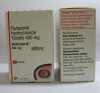
Colshine 0.5mg (Colchicine)
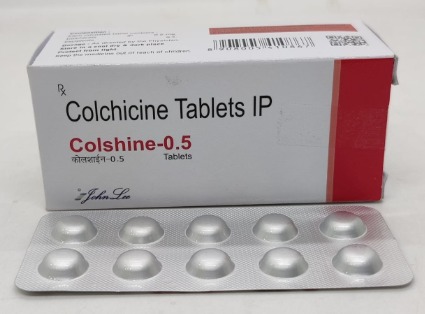
Colshine is a colchicine-based medication used in the treatment of inflammatory and autoimmune conditions. It is indicated for the management of acute gout and for the prevention of attacks in familial Mediterranean fever (FMF). Colchicine exerts its anti-inflammatory effect by inhibiting microtubule polymerization and blocking neutrophil migration to sites of inflammation. The drug is administered orally as tablets. Treatment requires strict adherence to prescribed dosing and close medical supervision due to its narrow therapeutic index and the risk of severe toxicity, including myelosuppression and rhabdomyolysis.
Colshine is a medicinal product containing colchicine as its active ingredient. It belongs to the class of alkaloids and is used in the management of acute inflammatory conditions and inherited autoimmune disorders.
Mechanism of Action
Colchicine binds to tubulin and inhibits microtubule polymerization. This disrupts key neutrophil functions—including chemotaxis, migration, phagocytosis, and the release of pro-inflammatory cytokines—resulting in a marked reduction of acute inflammation, particularly in gout-affected joints. In patients with familial Mediterranean fever (FMF), colchicine also suppresses the production of amyloid protein, thereby preventing amyloidosis—a rare complication that impairs normal organ function.
Indications
- Treatment of acute gout attacks in adults
- Prophylaxis of gout flares when initiating uricosuric therapy
- Prevention of febrile attacks and amyloidosis in patients with familial Mediterranean fever (FMF)
Important Risks
Colshine has a narrow therapeutic index: even slight overdosing may lead to severe toxicity. Symptoms of overdose include nausea, vomiting, diarrhea, myelosuppression, alopecia, peripheral neuropathy, rhabdomyolysis, and multi-organ failure.
Concomitant use with inhibitors of CYP3A4 and P-glycoprotein (e.g., clarithromycin, ketoconazole, cyclosporine, atorvastatin, and other statins) significantly increases colchicine plasma concentrations and may result in fatal toxicity.
Dosage Regimen
- For acute gout: 1.2 mg of colchicine (e.g., two 0.6 mg tablets or 2.4 tablets of 0.5 mg) in the first hour, followed by 0.6 mg one hour later (maximum dose on day 1: 1.8 mg).
- For FMF: 1–2 mg per day, administered in one or two divided doses.
- In elderly patients or those with renal or hepatic impairment, the dose must be reduced based on individual risk of toxicity.
Contraindications
- Hypersensitivity to colchicine
- Severe renal or hepatic impairment—especially when co-administered with CYP3A4 or P-gp inhibitors
- Pregnancy and lactation (relative contraindications for gout treatment; in FMF, use only if clearly needed and under strict medical supervision)
Adverse Effects
Common: diarrhea, nausea, vomiting, abdominal pain or cramps.
With overdose or prolonged high-dose use: myelosuppression, alopecia, peripheral neuropathy, azotemia, and muscle weakness.
Special Precautions
- Avoid concomitant use with clarithromycin, ketoconazole, cyclosporine, statins, and other strong CYP3A4/P-gp inhibitors.
- Discontinue treatment immediately and seek medical advice if diarrhea, nausea, or vomiting occurs.
- Use with caution in elderly patients and those with renal or hepatic dysfunction.
- In pediatric FMF, dosing must be individualized: the drug may be used in children from 5 years of age and, in some cases, in adolescents aged 10–18 years, but only under physician supervision.
- Not recommended for gout treatment in patients under 18 years of age.
- Women of childbearing potential receiving colchicine for gout should use effective contraception for at least 3 months after discontinuation of therapy.
- Regular blood tests may be required during treatment to monitor hematological parameters.
Storage Conditions
Store tablets in a dry, light-protected place at a temperature not exceeding 25°C, out of reach of children.
Disclaimer
Colshine is a potent medication with a narrow therapeutic window and should be used only under a physician’s prescription and supervision. The information provided on mhp.ooo is for general informational purposes only and does not substitute professional medical advice. Self-treatment of gout or autoimmune disorders may result in severe poisoning, irreversible complications, and life-threatening outcomes.
| Brand name | Colshine |
| Active substance | Colchicine |
| Packaging | 100 Таблеток |
| Product form | Таблетки |
There are no comments yet